The Quiet Power of Minimalist Color Design: Crafting Visual Serenity Through Simplicity
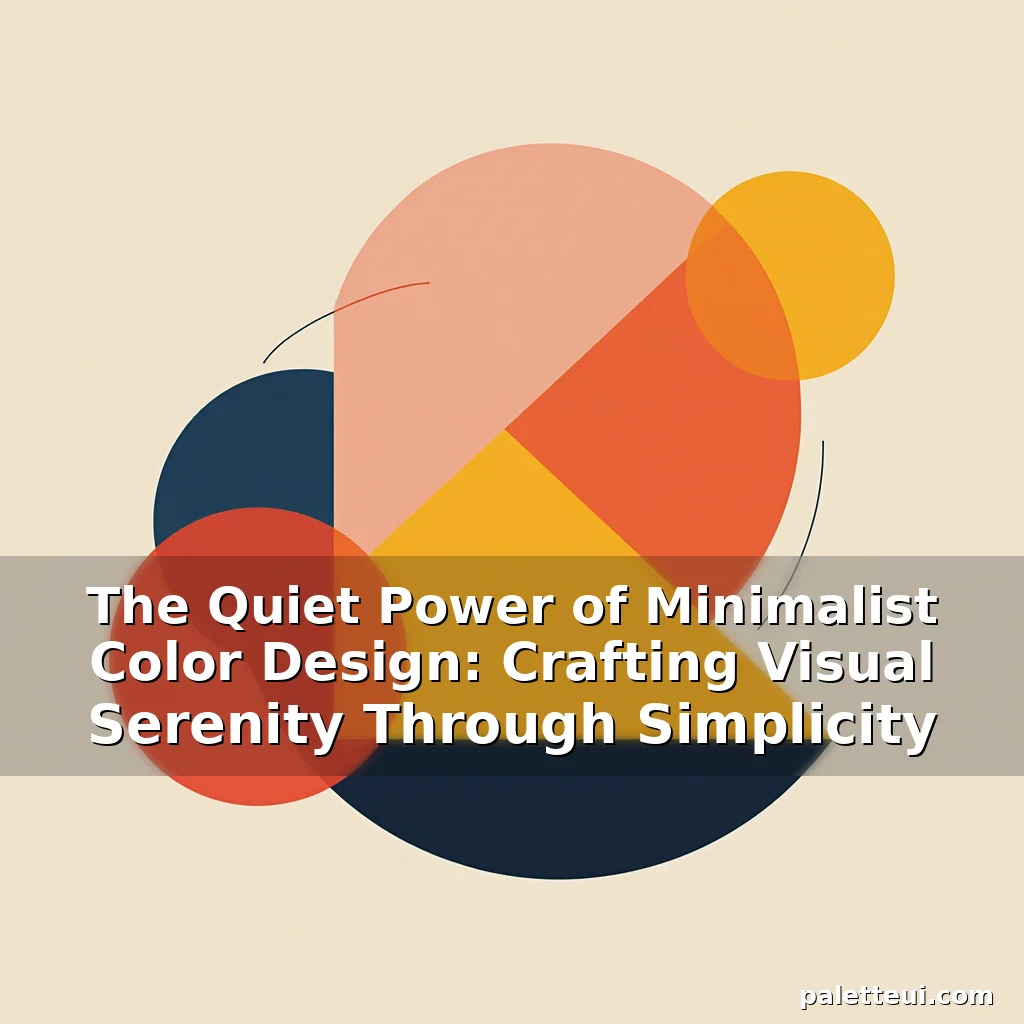
The Quiet Power of Minimalist Color Design: Crafting Visual Serenity Through Simplicity
In an age where digital interfaces are bombarded with vibrant hues and complex gradients, minimalist color design emerges as a powerful counterpoint—a philosophy that embraces restraint, clarity, and purposeful simplicity. This approach isn’t merely about reducing colors; it’s about creating visual harmony through intentional choices.
Mindfully selected palettes can transform user experiences, guiding attention without overwhelming senses. The essence lies not in absence but in presence—where every shade serves a function, and every element breathes space into the composition.
The Philosophy Behind Minimalist Color Design
At its core, minimalist color design is rooted in the belief that less is more. It strips away distractions, allowing users to engage with content rather than being distracted by unnecessary embellishments.
This philosophy draws inspiration from modern art movements such as Bauhaus and Japanese wabi-sabi, which emphasize functionality and imperfection while celebrating clean lines and uncluttered spaces.
By focusing on essential elements, designers create environments that feel open, inviting, and mentally calming—an antidote to today’s information overload.
The result is not just aesthetic appeal but also improved usability, where navigation becomes intuitive and interactions feel effortless.
Core Principles of Minimalist Color Palettes
A minimalist color scheme typically features three to five carefully chosen shades that work together cohesively. These selections prioritize contrast, legibility, and emotional resonance over mere decoration.
Neutral tones often form the foundation, providing stability and balance. Accents then introduce subtle variation without disrupting the overall calmness of the design.
- Simplicity: Limiting the number of colors ensures visual clarity and reduces cognitive load.
- Contrast: Strategic use of light and dark values enhances readability and guides visual hierarchy effectively.
- Cohesion: Harmonious combinations maintain unity across different interface components and screen sizes.
When executed well, these principles lead to designs that are both aesthetically pleasing and highly functional—perfect for applications ranging from mobile apps to corporate websites.
Designers must also consider accessibility standards when selecting their palettes. Ensuring sufficient contrast between text and background improves inclusivity for all users, including those with visual impairments.
Creating Effective Minimalist Color Schemes
Selecting the right colors involves understanding your brand identity, target audience, and intended message. Begin by identifying primary emotions you want to evoke through your design language.
Tools like Adobe Color or Coolors can help generate initial ideas based on color theory fundamentals such as complementary schemes or monochromatic variations.
Experimentation plays a crucial role here too. Try combining unexpected pairings within established theories to discover fresh expressions of minimalism that still resonate emotionally.
Remember always to test how each choice impacts real-world scenarios—including print materials, web banners, social media posts, etc.—to ensure consistency across platforms.
Case Studies in Successful Minimalist Designs
Apple’s product pages exemplify minimalist color strategies perfectly. Their extensive use of white space paired with restrained yet impactful color accents creates a sense of sophistication and elegance.
Similarly, Google’s Material Design guidelines promote using bold typography alongside muted backgrounds to enhance focus on key actions and information.
These examples demonstrate how even major tech companies leverage simple color schemes strategically—not just for aesthetics but also to drive user engagement efficiently.
Analyzing such case studies provides invaluable lessons about balancing subtlety with effectiveness; they show us what works best under various conditions without sacrificing quality or depth.
The Role of Negative Space in Enhancing Color Impact
Negative space—the empty areas surrounding focal points—is vital in minimalist designs. It acts as breathing room between elements, preventing clutter and enhancing readability.
Thoughtful placement of negative space allows color blocks to stand out more clearly against neutral grounds. This contrast helps direct viewer attention precisely where needed most.
Moreover, incorporating ample whitespace supports mental relaxation by giving eyes something tangible to rest upon amidst busy layouts.
Ultimately, integrating effective negative spacing transforms potentially chaotic compositions into serene visual narratives that speak volumes silently.
Trends Shaping Modern Minimalist Color Approaches
Current trends indicate a growing preference for soft pastels combined with deep neutrals. These duos offer gentle transitions that soothe viewers’ minds while maintaining strong typographic visibility.
Darker base colors have become increasingly popular among designers seeking richer textures without compromising legibility. They provide depth without overpowering other design aspects.
Transparency effects applied selectively add another layer of complexity to otherwise simple setups, creating dynamic visuals that evolve depending on context.
As technology advances so do our capabilities regarding color manipulation—allowing more nuanced explorations into how we interact visually online today compared to previous decades.
Challenges and Solutions When Implementing Minimalist Color Strategies
One common challenge faced during implementation is avoiding monotony. While fewer colors bring benefits, too much similarity might make interfaces look flat or lifeless.
To overcome this issue, incorporate texture through patterns or subtle gradients where appropriate. However, be cautious not to introduce anything that detracts from overall simplicity.
Varying opacity levels slightly can also inject interest without violating minimalist tenets significantly. Just enough difference to catch eye movement naturally.
Regular testing phases remain essential throughout development cycles—to identify any unintended consequences early before final deployment occurs.
Beyond Aesthetics: Psychological Benefits of Minimalist Color Choices
Research shows that minimalist interiors reduce stress levels by minimizing sensory input. Applying similar logic digitally offers comparable advantages regarding psychological wellbeing.
Studies suggest exposure to minimalistic environments increases productivity because there’s less distraction from superfluous stimuli competing for attentional resources.
Additionally, consistent application of limited palettes fosters stronger brand recognition since people associate particular feelings with specific color groupings over time.
Thus, beyond purely decorative purposes, thoughtful selection of minimalistic colors contributes positively toward building healthier relationships between brands/users alike.
Conclusion
Minimalist color design proves itself as more than just a passing fad—it represents a conscious shift towards valuing intentionality above excessiveness wherever possible.
By embracing simplicity intentionally, creators empower themselves—and ultimately their audiences—with clearer messages delivered via cleaner canvases ready for meaningful interaction anytime soon after.