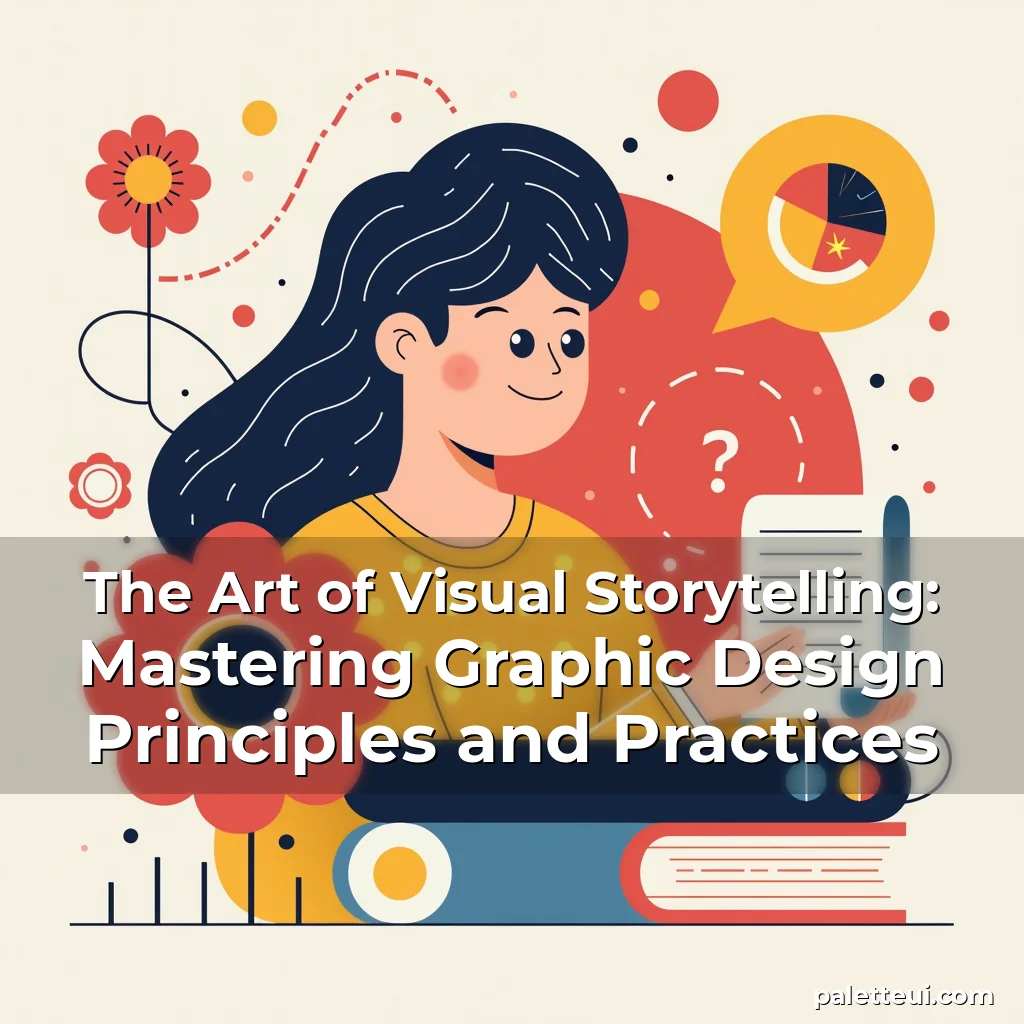
The Art of Visual Storytelling: Mastering Graphic Design Principles and Practices
In an era where visual content dominates digital spaces and physical environments alike, graphic design has emerged as a vital medium of communication. From sleek brand identities to immersive user interfaces, the impact of thoughtful design is felt across industries, making it essential for creators, businesses, and enthusiasts to understand its nuances.
This exploration delves beyond basic aesthetics to uncover how graphic designers transform ideas into compelling visuals that resonate emotionally while delivering functional value. Through examining core principles, tools, trends, and future directions, we aim to equip both aspiring professionals and curious learners with practical knowledge applicable across various creative domains.
Fundamental Pillars of Effective Graphic Design
At its core, graphic design relies on foundational elements that guide every composition from concept to final output. These include line work, shape construction, color theory application, texture integration, and spatial arrangement—all working harmoniously to create visually striking yet purposeful designs.
Mastery over these basics allows designers to build strong visual hierarchies that direct viewer attention effectively. For instance, strategic use of contrasting colors can highlight key information within complex layouts without overwhelming the audience’s cognitive load.
- Line Work: Defines boundaries between different components within a layout; varying thicknesses add depth perception when used appropriately
- Shape Construction: Geometric forms provide structure while organic shapes introduce fluidity—both have distinct psychological impacts on viewers depending on context
Color plays perhaps the most influential role among these fundamental aspects. Understanding hue relationships enables designers not only to evoke specific emotions but also ensure accessibility considerations such as colorblind-friendly palettes remain prioritized during creation processes.
Texture adds another dimension by introducing tactile qualities even in purely visual mediums. Digital simulations allow for intricate surface effects that enhance realism or abstract expression based on project requirements.
Proper spacing techniques prevent cluttered compositions which could otherwise hinder message clarity. Whether designing print materials or interactive web experiences, maintaining appropriate margins and padding ensures optimal legibility and aesthetic balance.
Core Principles Governing Exceptional Designs
Beyond technical execution lies a set of guiding philosophies that elevate good design to exceptional quality. The principle of contrast helps establish focal points through differences in size, weight, or saturation levels between adjacent elements.
Balance maintains stability within compositions by distributing visual weights evenly across available space. This doesn’t always mean literal symmetry—it might involve asymmetrical arrangements carefully calibrated for dynamic equilibrium.
Alignment ensures coherence by organizing elements along invisible grids rather than random placements. Consistent alignment patterns reinforce professionalism and make navigation intuitive whether viewing static posters or scrolling through responsive websites.
Repetition creates unity by reinforcing stylistic choices consistently throughout projects. Repeating typographic treatments or icon sets establishes familiarity while reducing decision fatigue for end-users interacting with designed systems.
Variety prevents monotony by introducing subtle changes that maintain interest without disrupting overall harmony. It involves adjusting sizes slightly or shifting hues ever so gently to keep visual narratives fresh yet recognizable.
Hierarchy structures information flow logically according to importance levels assigned by content creators or UX strategists. Properly implemented hierarchy guides users seamlessly through layered messages ensuring critical data isn’t lost amidst decorative flourishes.
These seven pillars form what many consider the bedrock upon which all successful graphic design rests. When applied thoughtfully together they enable designers to craft experiences that feel intentional rather than accidental.
Essential Tools Every Designer Should Know
A well-equipped designer needs access to versatile software capable of handling diverse tasks efficiently. Adobe Creative Suite remains industry standard offering comprehensive solutions including Photoshop for raster editing, Illustrator for vector graphics, InDesign for page layouts, and XD for UI/UX prototyping.
For those preferring open-source alternatives or budget-conscious options, GIMP provides robust photo manipulation capabilities comparable to Photoshop albeit with less advanced features. Krita excels particularly in digital painting workflows whereas Figma offers powerful collaboration tools ideal for remote teams working simultaneously on shared assets.
Canva democratizes design accessibility allowing non-designers to create professional-looking templates quickly through drag-and-drop interfaces supported by extensive template libraries covering business cards, social media posts, presentations, etcetera.
Dribbble serves dual purposes as both portfolio platform showcasing individual works alongside competitive analysis opportunities observing current market trends through other artists’ submissions.
Behance functions similarly focusing more heavily on agency-level portfolios though still welcoming freelancers aiming to grow their client bases via curated collections highlighting expertise areas clearly defined per profile.
Adobe Color aids immensely during initial concept phases providing instant inspiration via pre-built palettes derived from famous artworks or photographs taken directly from real-world scenes enhancing authenticity levels significantly compared to arbitrary combinations made manually.
Understanding strengths/weaknesses inherent in each toolset empowers creatives choose optimally based on personal workflow preferences rather than following blind trends dictated solely by popularity metrics.
Current Trends Shaping Modern Graphic Design Landscape
As technology continues evolving rapidly, new paradigms emerge influencing contemporary approaches toward creating visual content today. One notable shift sees increased emphasis placed upon micro-interactions enhancing engagement through small animations triggered naturally during user interactions rather than relying purely passive illustrations.
Clean minimalism persists strongly despite occasional fluctuations indicating enduring appeal stemming from its ability deliver clear messaging unencumbered by superfluous embellishments potentially distracting audiences seeking quick comprehension.
Eco-conscious branding initiatives now demand heightened awareness regarding sustainable practices incorporated visibly into packaging designs reflecting corporate responsibility commitments visibly apparent right down to font choices utilized across promotional collateral.
Typography experimentation thrives especially around variable fonts enabling smooth transitions between weights/widths dynamically adapting typography responsively across differing screen sizes without compromising legibility standards required for effective communication regardless device type encountered.
Three-dimensional text treatments continue gaining traction appearing frequently within motion graphics sequences due largely to advancements seen recently in WebGL rendering capabilities permitting realistic lighting/shadow calculations achievable previously only through dedicated animation studios employing expensive hardware setups.
Predictive analytics integrated directly into design platforms offer unprecedented insight revealing which styles perform best under given conditions helping inform decisions proactively instead waiting passively after launch dates had already passed before analyzing outcomes retrospectively.
Augmented reality overlays expand possibilities considerably allowing brands to incorporate interactive layers onto existing products giving consumers novel ways engage physically with advertised items beyond traditional two-dimensionality constraints typically associated with conventional marketing materials alone.
While some may argue against chasing fleeting fads constantly changing landscapes necessitate adaptability ensuring relevance maintained continuously irrespective external pressures exerted upon creative fields regularly.
Role of Typography in Communicating Meaning Effectively
Typefaces serve far greater function than mere containers for textual information—they actively contribute shaping perceptions surrounding whatever message gets conveyed through them. Selecting appropriate fonts aligns closely with target demographics considering cultural associations linked specifically certain letterforms adopted widely throughout particular regions globally.
Legibility factors become crucial whenever dealing with body texts needing easy reading comprehension achieved effortlessly avoiding unnecessary strain caused prolonged concentration efforts required deciphering poorly structured type selections mistakenly believed aesthetically pleasing initially but ultimately detrimental long-term usability measurements tracked objectively post-launch assessments conducted rigorously.
Serif fonts often perceived as more authoritative suitable contexts requiring trust establishment such financial institutions logos contrast sharply sans-serif counterparts preferred modern tech companies emphasizing innovation forward-thinking attitudes synonymous with cutting-edge developments occurring perpetually within fast-paced sectors competing fiercely global markets daily.
Decorative scripts bring personality flair perfect situations demanding emotional connection formed instantly visual recognition achieved merely glancing brief moments spent scanning surroundings encountering unfamiliar symbols introduced unexpectedly midst ordinary routines experienced everyday life occurrences commonplace nowadays.
Consistency becomes paramount wherever multi-platform presence necessary maintaining identical character spacing kerning adjustments uniformly across devices ensuring seamless transition between desktop computers mobile phones tablets retaining uniform appearance despite varying resolutions encountered frequently navigating digital ecosystems ubiquitously present everywhere contemporary society resides predominantly online nowadays.
Accessibility considerations shouldn’t overlooked either choosing fonts compatible screen readers assisting visually impaired individuals interpret contents accurately without distortion errors arising misinterpretations leading confusion misunderstandings potentially damaging reputations irreparably harming business relationships permanently.
Typography thus emerges pivotal element determining success failure campaigns dependent upon precise implementation executed flawlessly balancing artistic expression functionality simultaneously achieving desired results anticipated originally conceived plans devised strategically beforehand thorough research undertaken diligently beforehand.
Graphic Design in Brand Identity Development
Brand identity represents cohesive system encompassing all touchpoints facilitating consistent experience across varied channels ensuring immediate recognition occurs effortlessly regardless situation encountered involving company name logo mascot color scheme distinctive characteristics defining entity uniquely apart competitors operating same niche marketplace sector.
Logo development constitutes cornerstone component establishing foundation upon which entire visual language constructed meticulously crafted conveying essence values proposition succinctly encapsulated within singular symbol becoming instantly identifiable mark representing organization’s ethos distilled precisely through intelligent symbolism clever wordplay incorporating relevant motifs culturally resonant universally understandable transcending linguistic barriers promoting global reach aspirations pursued relentlessly ambitious enterprises targeting international expansion strategies.
Color psychology plays significant role selecting palettes evoking intended responses triggering specific emotions leveraging scientific understanding color perception studies demonstrating measurable effects mood alteration induced simply by altering hues employed prominently featured throughout branding collateral accompanying product launches promotions advertisements signage installations interactive displays digital billboards omnipresent throughout urban landscapes contributing substantially ambient atmosphere shaping consumer behaviors unconsciously influenced subconsciously guided instinctual reactions automatically triggered encounters branded entities.
Typography reinforces brand voice consistency aligning fonts chosen with corporate culture projecting seriousness reliability through formal serif faces conversely youthful energy vitality expressed utilizing bold slab serifs bright accent colors vibrant gradients dynamic layouts pulsating movement energetic rhythms synchronized perfectly with brand messaging amplified exponentially multiplied reaching wider audiences quicker faster penetrating deeper market penetration rates achievable otherwise impossible conventional advertising methods limited scope influence confined narrow parameters predefined restrictions imposed artificially restricting potential growth trajectories constrained unnecessarily unless deliberately expanded intentionally planned ahead systematically organized step-by-step approach methodical execution ensuring predictable outcomes aligned expectations exceeded exceeded surpassing benchmarks established earlier stages development cycles.
Imagery selection extends further reinforcing narrative continuity ensuring visual metaphors selected mirror conceptual frameworks articulated verbally through slogans mission statements core beliefs ingrained deeply within organizational DNA manifest externally observable tangible manifestations visible anywhere anytime wherever brand exists physically digitally virtually regardless medium utilised transmitting unified message unmistakably clear transparently evident eliminating ambiguity fostering confidence trust loyalty cultivated gradually overtime nurturing sustained relationships beneficial mutually advantageous parties involved engaged meaningfully genuinely authentically committed long-term partnerships built solid foundations enduring test time proving resilient adaptable flexible responding appropriately fluctuating circumstances faced inevitably encountered unpredictable challenges overcome successfully transformed obstacles into opportunities generating positive momentum propelling continued progress upward trajectory consistently ascending towards higher achievements attained progressively realized incrementally accumulated collectively forming formidable presence commanding respect admiration reverence earned honestly fairly deserved rightfully acquired through diligent effort persistent dedication unwavering perseverance relentless pursuit excellence excellence excellence.
Web and Mobile Interface Design Considerations
With increasing reliance upon digital platforms governing nearly every aspect modern existence—from banking transactions to entertainment consumption—the importance of intuitive interface design cannot be overstated. User-centered design methodologies prioritize usability testing ensuring functionalities meet actual needs rather than theoretical assumptions.
Responsive design techniques guarantee cross-device compatibility optimizing layouts dynamically based on viewport dimensions preventing frustrating experiences resulting from improperly scaled elements causing confusion disorientation wasted effort attempting navigate convoluted pathways created inadvertently through careless implementations neglecting responsiveness fundamentals.
Microinteractions enrich user experience through tiny animated cues acknowledging actions performed intuitively enhancing satisfaction levels achieved effortlessly without conscious effort demanded performing routine operations carried out countless times daily without noticing interaction mechanics occurring behind scenes silently supporting seamless transitions between states.
Accessibility compliance mandates adherence to WCAG guidelines implementing sufficient color contrasts readable fonts scalable imagery adjustable controls accommodating diverse abilities ensuring inclusivity upheld throughout all design choices impacting millions individuals worldwide benefiting from equitable treatment afforded through conscientious consideration exercised during creation process.
Information architecture organizes content logically grouping related topics cohesively presenting hierarchical structures aiding discovery simplifying complex subjects digestible manageable chunks arranged sequentially progressing naturally encouraging exploration rewarding curiosity fostering engagement cultivating loyal communities thriving continually growing expanding organically through shared interests nurtured consistently maintained through regular updates refreshments keeping pace evolving technological landscape.
User flows map journeys predicting likely paths traversed identifying pain points preemptively addressing issues before encountered reducing friction improving efficiency accelerating task completion times decreasing frustration levels elevating overall satisfaction scores measured through rigorous analytics tracking behavioral patterns discernible patterns emerging indicative improvements attributable sound design decisions positively affecting bottom lines noticeably increasing conversion rates attributable enhanced user experiences directly correlated higher retention rates observed consistently monitored periodically evaluated iteratively refined continuously improved staying ahead competition curve remaining leaders innovation forefront setting benchmarks others strive emulate.
By integrating these principles into interface design workflows, developers and designers collaborate synergistically creating digital experiences that are not only aesthetically pleasing but also highly functional, accessible, and user-friendly across all platforms and devices.
Emerging Technologies Reshaping Future of Graphic Design
The field of graphic design stands at the precipice of transformation driven by groundbreaking technologies poised to redefine creative processes fundamentally altering how professionals conceive execute visualize communicate ideas effectively across multifaceted platforms. Artificial intelligence emerges foremost disruptive force automating repetitive tasks liberating human ingenuity directing energies toward innovative problem-solving ventures exploring uncharted territories previously inaccessible due limitations imposed manual labor intensive procedures traditionally relied upon exclusively.
Generative adversarial networks (GANs) revolutionize image generation capabilities producing high-resolution outputs indistinguishable from authentic photographs challenging conventional notions authorship ownership raising ethical questions surrounding intellectual property rights requiring legal frameworks evolved accordingly accommodate these paradigm shifts occurring rapidly within creative industries.
Virtual reality introduces entirely new dimensions immersion enabling designers construct three-dimensional environments interactively explore manipulate objects within simulated spaces opening avenues never before possible facilitating collaborative sessions geographically dispersed participants experiencing virtual meeting rooms concurrently modifying prototypes in real-time sharing feedback instantly overcoming logistical hurdles inherent traditional face-to-face meetings constrained by physical locations limiting scalability flexibility inherently present digital realms.
Blockchain technology introduces transparency security advantages verifying provenance ensuring traceability protecting original works safeguarding against unauthorized duplication distribution preserving integrity digital assets valued increasingly monetarily within burgeoning NFT markets redefining economic models sustaining independent creators financially viable pursuits pursuing artistic endeavors without intermediaries siphoning profits disproportionately skewing revenue distributions favoring gatekeepers over originators.
Extended reality blends augmented/virtual realities merging physical/digital worlds creating hybrid experiences blurring boundaries distinctions once considered absolute empowering brands develop innovative campaigns engaging consumers interactively within contextual environments stimulating sensory engagements provoking emotional responses eliciting memorable impressions imprinted profoundly lasting longer than conventional static visuals ever could achieve.
Quantum computing promises exponential processing power unlocking possibilities currently inconceivable solving complex algorithms optimizing layouts predicting trends simulating scenarios envisioning futures collaboratively co-created AI-human partnerships augmenting capabilities exponentially amplifying productivity output quality simultaneously maintaining creative control ensuring human oversight remains central despite algorithmic assistance provided autonomously executing instructions programmed meticulously crafted precisely tuned parametric settings dictating outcomes governed explicitly by designer intentions.
These innovations signify not endpoint evolution but beginning journey toward unknown horizons where imagination meets machine intelligence collaborating symbiotically crafting visions exceeding wildest dreams conceivable today pushing boundaries ever outward into infinite possibilities awaiting discovery realization through fearless experimentation bold courageous steps taken boldly embracing change inevitable constant companion digital age living fully immersed technologically enriched world unfolding moment by moment.
Conclusion
From understanding the foundational principles of graphic design to embracing emerging technologies reshaping the field, this exploration highlights the multifaceted nature of visual storytelling. Graphic design is much more than arranging pretty pictures—it requires deep consideration of aesthetics, functionality, and user experience to create meaningful connections with audiences.
To thrive in this dynamic environment, continuous learning and adaptation are essential. Whether you’re a seasoned professional or just starting your journey, staying informed about new tools, trends, and best practices will empower you to produce impactful designs that stand out in today’s visually saturated world. Embrace the challenge, experiment fearlessly, and let creativity lead the way.
“`
In an era where visual content dominates digital spaces and physical environments alike, graphic design has emerged as a vital medium of communication. From sleek brand identities to immersive user interfaces, the impact of thoughtful design is felt across industries, making it essential for creators, businesses, and enthusiasts to understand its nuances. This exploration delves beyond basic aesthetics to uncover how graphic designers transform ideas into compelling visuals that resonate emotionally while delivering functional value. Through examining core principles, tools, trends, and future directions, we aim to equip both aspiring professionals and curious learners with practical knowledge applicable across various creative domains. At its core, graphic design relies on foundational elements that guide every composition from concept to final output. These include line work, shape construction, color theory application, texture integration, and spatial arrangement—all working harmoniously to create visually striking yet purposeful designs. Mastery over these basics allows designers to build strong visual hierarchies that direct viewer attention effectively. For instance, strategic use of contrasting colors can highlight key information within complex layouts without overwhelming the audience’s cognitive load. Color plays perhaps the most influential role among these fundamental aspects. Understanding hue relationships enables designers not only to evoke specific emotions but also ensure accessibility considerations such as colorblind-friendly palettes remain prioritized during creation processes. Texture adds another dimension by introducing tactile qualities even in purely visual mediums. Digital simulations allow for intricate surface effects that enhance realism or abstract expression based on project requirements. Proper spacing techniques prevent cluttered compositions which could otherwise hinder message clarity. Whether designing print materials or interactive web experiences, maintaining appropriate margins and padding ensures optimal legibility and aesthetic balance. Beyond technical execution lies a set of guiding philosophies that elevate good design to exceptional quality. The principle of contrast helps establish focal points through differences in size, weight, or saturation levels between adjacent elements. Balance maintains stability within compositions by distributing visual weights evenly across available space. This doesn’t always mean literal symmetry—it might involve asymmetrical arrangements carefully calibrated for dynamic equilibrium. Alignment ensures coherence by organizing elements along invisible grids rather than random placements. Consistent alignment patterns reinforce professionalism and make navigation intuitive whether viewing static posters or scrolling through responsive websites. Repetition creates unity by reinforcing stylistic choices consistently throughout projects. Repeating typographic treatments or icon sets establishes familiarity while reducing decision fatigue for end-users interacting with designed systems. Variety prevents monotony by introducing subtle changes that maintain interest without disrupting overall harmony. It involves adjusting sizes slightly or shifting hues ever so gently to keep visual narratives fresh yet recognizable. Hierarchy structures information flow logically according to importance levels assigned by content creators or UX strategists. Properly implemented hierarchy guides users seamlessly through layered messages ensuring critical data isn’t lost amidst decorative flourishes. These seven pillars form what many consider the bedrock upon which all successful graphic design rests. When applied thoughtfully together they enable designers to craft experiences that feel intentional rather than accidental. A well-equipped designer needs access to versatile software capable of handling diverse tasks efficiently. Adobe Creative Suite remains industry standard offering comprehensive solutions including Photoshop for raster editing, Illustrator for vector graphics, InDesign for page layouts, and XD for UI/UX prototyping. For those preferring open-source alternatives or budget-conscious options, GIMP provides robust photo manipulation capabilities comparable to Photoshop albeit with less advanced features. Krita excels particularly in digital painting workflows whereas Figma offers powerful collaboration tools ideal for remote teams working simultaneously on shared assets. Canva democratizes design accessibility allowing non-designers to create professional-looking templates quickly through drag-and-drop interfaces supported by extensive template libraries covering business cards, social media posts, presentations, etcetera. Dribbble serves dual purposes as both portfolio platform showcasing individual works alongside competitive analysis opportunities observing current market trends through other artists’ submissions. Behance functions similarly focusing more heavily on agency-level portfolios though still welcoming freelancers aiming to grow their client bases via curated collections highlighting expertise areas clearly defined per profile. Adobe Color aids immensely during initial concept phases providing instant inspiration via pre-built palettes derived from famous artworks or photographs taken directly from real-world scenes enhancing authenticity levels significantly compared to arbitrary combinations made manually. Understanding strengths/weaknesses inherent in each toolset empowers creatives choose optimally based on personal workflow preferences rather than following blind trends dictated solely by popularity metrics. As technology continues evolving rapidly, new paradigms emerge influencing contemporary approaches toward creating visual content today. One notable shift sees increased emphasis placed upon micro-interactions enhancing engagement through small animations triggered naturally during user interactions rather than relying purely passive illustrations. Clean minimalism persists strongly despite occasional fluctuations indicating enduring appeal stemming from its ability deliver clear messaging unencumbered by superfluous embellishments potentially distracting audiences seeking quick comprehension. Eco-conscious branding initiatives now demand heightened awareness regarding sustainable practices incorporated visibly into packaging designs reflecting corporate responsibility commitments visibly apparent right down to font choices utilized across promotional collateral. Typography experimentation thrives especially around variable fonts enabling smooth transitions between weights/widths dynamically adapting typography responsively across differing screen sizes without compromising legibility standards required for effective communication regardless device type encountered. Three-dimensional text treatments continue gaining traction appearing frequently within motion graphics sequences due largely to advancements seen recently in WebGL rendering capabilities permitting realistic lighting/shadow calculations achievable previously only through dedicated animation studios employing expensive hardware setups. Predictive analytics integrated directly into design platforms offer unprecedented insight revealing which styles perform best under given conditions helping inform decisions proactively instead waiting passively after launch dates had already passed before analyzing outcomes retrospectively. Augmented reality overlays expand possibilities considerably allowing brands to incorporate interactive layers onto existing products giving consumers novel ways engage physically with advertised items beyond traditional two-dimensionality constraints typically associated with conventional marketing materials alone. While some may argue against chasing fleeting fads constantly changing landscapes necessitate adaptability ensuring relevance maintained continuously irrespective external pressures exerted upon creative fields regularly. Typefaces serve far greater function than mere containers for textual information—they actively contribute shaping perceptions surrounding whatever message gets conveyed through them. Selecting appropriate fonts aligns closely with target demographics considering cultural associations linked specifically certain letterforms adopted widely throughout particular regions globally. Legibility factors become crucial whenever dealing with body texts needing easy reading comprehension achieved effortlessly avoiding unnecessary strain caused prolonged concentration efforts required deciphering poorly structured type selections mistakenly believed aesthetically pleasing initially but ultimately detrimental long-term usability measurements tracked objectively post-launch assessments conducted rigorously. Serif fonts often perceived as more authoritative suitable contexts requiring trust establishment such financial institutions logos contrast sharply sans-serif counterparts preferred modern tech companies emphasizing innovation forward-thinking attitudes synonymous with cutting-edge developments occurring perpetually within fast-paced sectors competing fiercely global markets daily. Decorative scripts bring personality flair perfect situations demanding emotional connection formed instantly visual recognition achieved merely glancing brief moments spent scanning surroundings encountering unfamiliar symbols introduced news is a contributor at PaletteUI. We are committed to providing well-researched, accurate, and valuable content to our readers.The Art of Visual Storytelling: Mastering Graphic Design Principles and Practices
Fundamental Pillars of Effective Graphic Design
Core Principles Governing Exceptional Designs
Essential Tools Every Designer Should Know
Current Trends Shaping Modern Graphic Design Landscape
Role of Typography in Communicating Meaning Effectively
You May Also Like